



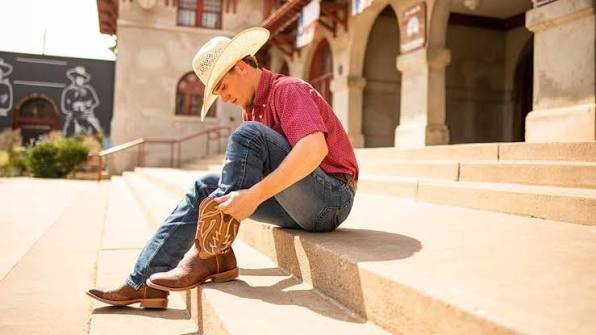

Choosing the right cowboy boots style supports your comfort and durability while you wear them. Cowboy boot style is also a key factor when choosing a pair that matches your personal fashion taste. Different categories, toe profiles, leather types, and shaft styles create distinct looks for different occasions. Here is information to help you select a cowboy boot style for your needs:
Compare Boot Categories
Before choosing a boot style, review the available categories to find one that fits your intended use. Depending on your event or daily activity, you can choose from several Western footwear styles. They include:
Western Boots
If you are heading to a rodeo event or line-dancing session, Western boots provide a traditional option. Their taller shafts and defined heels create a familiar Western silhouette associated with country activities. Different colors also give you options for coordinating the boots with jeans and other Western clothing.
Exotic Boots
Exotic boots use distinctive leathers and hides that give the footwear a more noticeable texture and appearance. These styles work with formal clothing when the setting calls for a more refined Western look. Their different patterns and colors also give you options when you want the boots to be a stronger part of your outfit.
Roper Boots
Roper cowboy boots have shorter shafts and lower heels than traditional Western boots, giving them a unique look. They are ideal for everyday wear, particularly when paired with jeans or casual trousers. The shorter profile also offers an alternative when a full-height Western boot doesn’t suit the outfit.
Match Toe Profiles
The toe profile changes a boot’s visual identity, so it affects how the footwear works with your clothing. Square toes create broader lines, while rounded profiles produce a more traditional, slimmer appearance. Narrower shapes create a sharper silhouette, and each direction gives your outfit a different Western character.
A rounded toe offers more room at the front of the foot, while a tapered shape gives the boot a slimmer look. Your preferred clothing also influences which shape works naturally with your wardrobe. Comparing the available profiles alongside the boot’s shaft and heel gives you a clearer picture of the finished style.
Select Leather Types
The material used affects the texture and appearance of your boots. Smooth calfskin gives a cleaner look, while textured calf creates a more pronounced pattern. Exotic options also add visual detail when you want the leather to stand out. The same boot silhouette will be different in various materials. Caiman, full-quill ostrich, python, teju lizard, water snake, and alligator offer textured surfaces. If you want a less distinct finish, suede and calfskin are options as well.
Choose Shaft Styles
Shaft height changes a boot’s appearance and affects how it pairs with different clothing. Taller Western shafts create a traditional appearance, while shorter roper and bootie styles provide a lower profile. Jeans work naturally with several shaft heights, while dresses and skirts create different styling possibilities for taller boots.
Pair Style Purpose
Your planned use can help you narrow down the boot style that fits your personal style and the events you attend. A classic western pair looks great with traditional events, and a roper silhouette suits everyday wear. When you want more visual impact, exotic leather is another option.
Find Your Cowboy Boots
Choosing the right boot type depends on the occasion, toe shape, leather, shaft length, and category. Each piece adds a unique element of design and functionality to the outfit’s overall look and feel. With the many cowboy boot combinations, you can use the following elements to help you choose. Seek professional footwear guidance when choosing cowboy boots for your preferred style and intended use.