



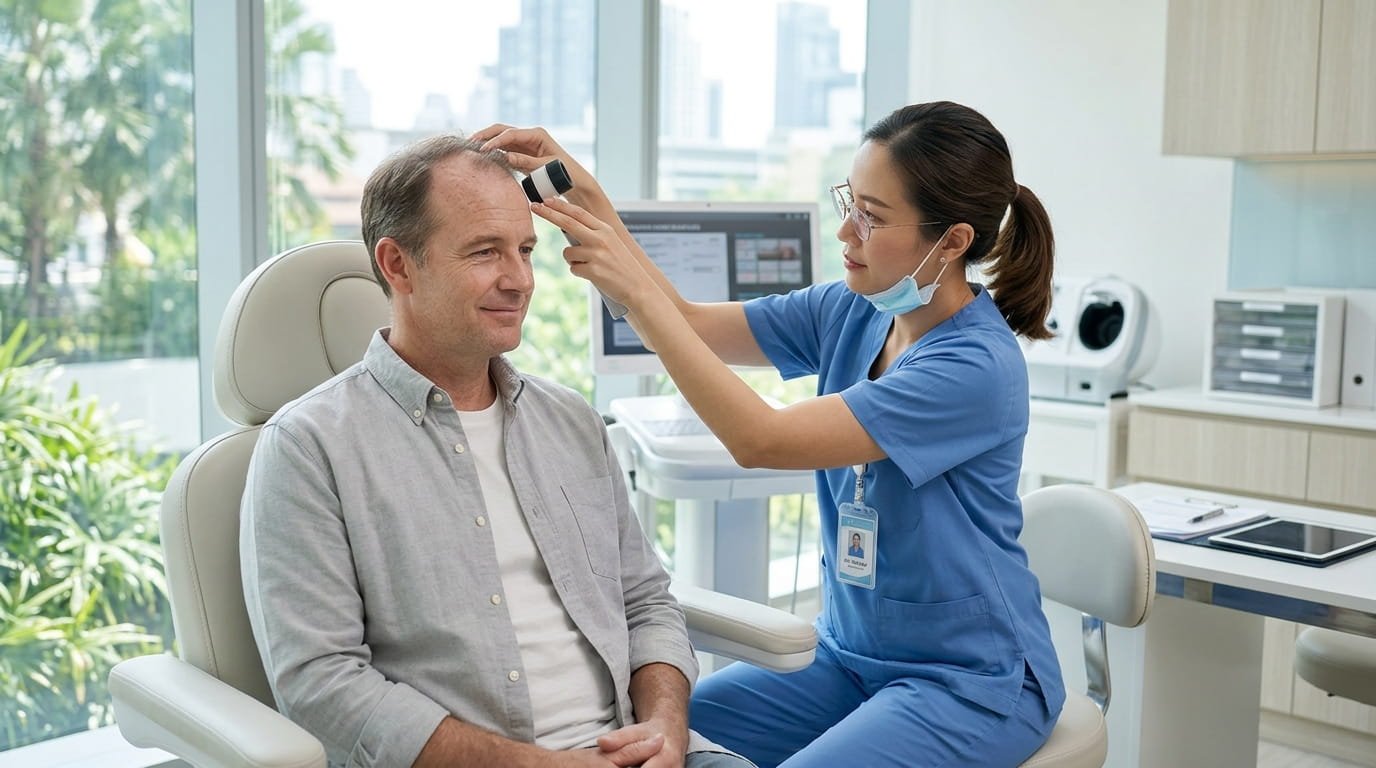

Hair loss can affect confidence, appearance, and daily life. For people who want to restore their hair, a hair transplant may be one option worth exploring. Thailand has become a destination for international patients seeking hair restoration because it offers specialist clinics, different treatment methods, and services for people traveling from other countries. However, choosing the right treatment requires more than comparing prices or looking at attractive before-and-after photographs.
- Why Do People Consider Hair Transplants?
- Why Is Thailand a Destination for Hair Restoration?
- Understanding the Main Hair Transplant Techniques
- How Much Does a Hair Transplant Cost in Thailand?
- What Factors Influence the Final Price?
- How to Choose a Reliable Hair Transplant Clinic
- Preparing for a Hair Transplant in Thailand
- What Happens on the Day of Surgery?
- Recovery and Hair Growth After Surgery
- Planning Travel and Accommodation for Medical Tourism
- Common Mistakes to Avoid When Booking Treatment
- Conclusion
A successful hair transplant starts with understanding the cause of hair loss, finding a qualified medical professional, and setting realistic expectations. Patients should also consider the total cost, recovery period, travel arrangements, and follow-up care before making a decision. Learning about these factors can help people prepare for treatment and avoid common mistakes.
This guide explains how hair transplants work, what patients can expect to pay in Thailand, how common techniques differ, and what international visitors should know before booking a procedure.
Why Do People Consider Hair Transplants?
Hair loss can happen for several reasons, including hereditary factors, hormonal changes, certain medical conditions, medications, and aging. Male pattern baldness and female pattern hair loss are common causes of gradual thinning. Some people notice a receding hairline, while others experience thinning around the crown or across larger areas of the scalp.
Hair loss does not affect everyone in the same way. For some people, changing hairstyles or using suitable hair care products may be enough to feel comfortable. Others may consider medical treatments or surgical hair restoration when thinning becomes more noticeable.
A hair transplant moves hair follicles from one area of the scalp to another. The donor area is usually located at the back or sides of the head, where hair may be more resistant to common patterns of hereditary hair loss. A surgeon removes selected follicles and places them into areas that need additional coverage.
The procedure does not create new hair follicles. Instead, it redistributes existing follicles, which means the amount and quality of donor hair are important factors. People with advanced hair loss or limited donor hair may need a different treatment plan from those with a small area of thinning.
Before considering surgery, patients should receive a medical assessment. A qualified professional can help determine whether a transplant is suitable, whether hair loss needs to be stabilized first, and what kind of result may be realistic.
Why Is Thailand a Destination for Hair Restoration?
Thailand attracts international visitors for many types of medical care, including dental treatments, cosmetic procedures, and hair restoration. Bangkok is a major center for specialist medical services, while other destinations may also offer clinics that treat local and international patients.
One reason people consider Thailand is the availability of different hair restoration techniques. Depending on the clinic and the patient’s needs, options may include Follicular Unit Extraction, Follicular Unit Transplantation, and implantation methods commonly marketed as Direct Hair Implantation.
International patients may also find clinics with staff who communicate in English and experience working with visitors from different countries. However, services vary between providers, so patients should confirm communication arrangements before traveling.
Another consideration is the opportunity to combine a medical appointment with a longer visit to Thailand. The country has a range of accommodation options, restaurants, transport services, and tourist attractions. Even so, a hair transplant should be treated as a medical procedure rather than a holiday activity.
Patients need enough time for consultation, surgery, an early follow-up appointment, and initial recovery. Long sightseeing days, intense exercise, and activities that expose the scalp to excessive heat or sunlight may not be appropriate immediately after treatment.
People comparing providers can use ThaiCheckup to explore information about hair transplant techniques, estimated costs, and considerations for international patients. Such resources can help with initial research, but individual treatment decisions should always be based on a qualified medical assessment and clear information from the selected clinic.
Understanding the Main Hair Transplant Techniques
Not every hair transplant uses the same method. The best option depends on the patient’s hair loss, donor area, desired appearance, medical history, and the experience of the treating team. Understanding the basic techniques makes it easier to ask useful questions during a consultation.
Follicular Unit Extraction (FUE)
Follicular Unit Extraction, often called FUE, involves removing individual follicular units from the donor area. These units contain one or more hairs and are selected carefully before being placed into the areas affected by hair loss.
One advantage of FUE is that it usually leaves many small extraction marks instead of the single linear scar associated with traditional strip surgery. The marks may become less noticeable as the area heals, although the final appearance depends on the extraction method, healing, skin characteristics, and hairstyle.
FUE is widely discussed among patients because it can be used for hairline restoration, frontal coverage, and other suitable areas. However, the procedure requires careful planning. Removing too many follicles from the donor area can create visible thinning, while poor placement can affect the final appearance.
The number of grafts needed varies from person to person. A patient with a slightly receding hairline may require fewer grafts than someone with extensive thinning across the front and middle of the scalp.
Patients should ask how the clinic estimates graft numbers, who performs the extraction, how grafts are handled, and how the donor area will be protected for the future.
Follicular Unit Transplantation (FUT)
Follicular Unit Transplantation, known as FUT, is another hair restoration technique. In this method, a surgeon removes a strip of scalp from the donor area. The strip is then divided into individual follicular units for transplantation.
FUT can provide a substantial number of grafts in suitable patients. However, it normally leaves a linear scar at the donor site. This may be an important consideration for people who prefer very short hairstyles.
FUE and FUT have different benefits and limitations. Neither method is automatically the right choice for everyone. A surgeon should assess donor density, scalp characteristics, hair loss progression, and the patient’s expectations before recommending a technique.
Patients should also discuss future hair loss. A transplant may improve coverage in selected areas, but it does not prevent untreated hair from thinning elsewhere. Planning for long-term changes can help preserve a balanced appearance.
Direct Hair Implantation (DHI)
Direct Hair Implantation, commonly called DHI, is a term used by some clinics for an implantation approach involving a specialized implanter pen. The pen allows the practitioner to place grafts into the recipient area using a particular technique.
DHI is often presented as a separate alternative to FUE. However, the terms describe different parts of the process: FUE generally refers to how follicles are extracted, while DHI commonly describes how they are implanted. A DHI procedure may therefore use FUE for extraction.
Some clinics offer DHI for patients who want a particular approach to placement or hairline design. The method may also involve different equipment, staffing, and procedure times. These factors can affect the quoted price.
Patients should not assume that DHI will always produce better results than conventional FUE. The surgeon’s experience, the handling of grafts, the quality of planning, and the patient’s individual characteristics remain important.
When comparing techniques, ask the clinic to explain exactly what the procedure includes rather than relying on a name used in advertising.
How Much Does a Hair Transplant Cost in Thailand?
The cost of a hair transplant in Thailand depends on the technique, the number of grafts, the complexity of the case, and the clinic’s pricing structure. Some providers charge per graft, while others offer a package price for a particular procedure or estimated graft range.
As a general planning reference, a typical FUE procedure involving approximately 2,000 to 4,500 grafts may cost around $2,500 to $5,500 in Thailand. Smaller procedures may cost less, while extensive sessions, repair work, and specialized techniques may cost more. These figures are estimates rather than guaranteed prices, and actual quotations can vary considerably.
The number of grafts is one of the biggest factors affecting the total. A patient seeking minor hairline refinement may need a different budget from someone who wants to restore coverage across several areas of the scalp.
The technique can also affect the cost. Non-shaven procedures, long-hair FUE, or approaches that require additional time and specialized staffing may be more expensive than standard procedures. The surgeon’s experience, clinic facilities, and the services included in the package may also influence the final quote.
It is important to ask for a written estimate before paying a deposit. The estimate should explain whether the quoted amount covers the consultation, surgery, medications, post-operative supplies, initial follow-up, and any additional services.
Patients should also ask what happens if the final graft count differs from the initial estimate. Understanding the pricing structure in advance can help prevent unexpected expenses.
A lower price does not necessarily mean poor quality, just as a higher price does not guarantee an excellent outcome. The goal is to find a suitable provider who explains the procedure clearly, demonstrates appropriate qualifications, and offers a reasonable treatment plan.
What Factors Influence the Final Price?
Several details can make two hair transplant quotations look very different. Comparing the total price alone may therefore give an incomplete picture.
Number of grafts: More grafts generally require more work. However, the appropriate number depends on the donor area, the amount of coverage needed, and the surgeon’s plan.
Technique used: FUE, FUT, DHI-style implantation, and non-shaven options may involve different equipment, staffing, and operating times.
Surgeon involvement: Patients should understand who designs the hairline, performs the surgical steps, and supervises the team. The level of direct surgeon involvement should be explained clearly.
Clinic facilities: Consultation services, surgical facilities, hygiene standards, and follow-up arrangements can influence the overall cost.
Additional treatments: Some clinics may offer other hair loss treatments alongside surgery. These services should be discussed separately so patients understand which are necessary, optional, or included in the package.
Complexity of the case: Previous transplant scars, limited donor hair, unusual hair growth patterns, and repair procedures can make treatment more challenging.
Aftercare services: Some quotations include a first wash, medications, or follow-up consultations. Others may charge separately for particular services.
A detailed written quotation helps patients compare providers fairly. It should identify the proposed technique, estimated graft count, included services, and any circumstances that could change the price.
How to Choose a Reliable Hair Transplant Clinic
Choosing a clinic is one of the most important steps in the entire process. Hair transplantation requires surgical skill, careful planning, and an understanding of how hair grows naturally. A clinic’s marketing material cannot replace a proper assessment.
Start by checking the qualifications and registration of the medical professional responsible for your treatment. Confirm that the surgeon has appropriate training and experience in hair restoration. Professional memberships or specialist credentials can provide additional information, but they should be verified rather than accepted without question.
Ask to see before-and-after photographs of patients with similar hair loss patterns, hair characteristics, and treatment goals. Photographs should show comparable lighting, angles, and stages of recovery. A few selected images cannot guarantee that you will achieve the same result, but a consistent portfolio can help you understand the clinic’s work.
The consultation should include a discussion of donor hair, the expected graft count, hairline design, possible complications, and long-term planning. Be cautious if a provider promises perfect density, guarantees an exact result, or recommends an unusually large procedure without examining your scalp.
You should also ask who performs each stage of surgery. The clinic should explain the surgeon’s responsibilities and the role of other trained staff. Clear answers are more useful than broad claims about advanced equipment.
Finally, review the clinic’s follow-up arrangements. International patients need to know whom to contact if they experience unexpected symptoms after returning home. Ask whether remote consultations are available and how the clinic coordinates with local medical professionals when necessary.
Preparing for a Hair Transplant in Thailand
Preparation begins before booking a flight. Patients should first arrange a consultation and provide accurate information about their hair loss, medical history, medications, allergies, and previous procedures.
The clinic may request photographs of the scalp to support an initial assessment. However, photographs alone may not be enough to determine suitability or establish the final graft count. A proper examination is needed before a definitive treatment plan is agreed upon.
Discuss all medications and supplements with the medical team. Do not stop prescribed medicines or begin new products unless a qualified professional advises you to do so. If you smoke or drink alcohol, ask whether you need to make changes before surgery and during recovery.
Once the procedure is planned, confirm the appointment date, payment terms, cancellation policy, and expected recovery schedule. International patients should allow enough time for consultations and early follow-up rather than arranging a flight immediately after surgery.
Check your passport, visa requirements, travel insurance, accommodation, and transport arrangements. Medical procedures may not be covered by ordinary travel insurance, so review the policy carefully and ask the insurer about exclusions.
Choose accommodation that allows you to rest comfortably. A convenient location near the clinic can make early appointments easier and reduce unnecessary travel during the first days after surgery.
Patients should also prepare for temporary changes in appearance. The scalp may have small scabs, redness, or swelling after the procedure. Anyone who needs to return to work quickly should discuss the likely recovery period with the clinic before booking.
What Happens on the Day of Surgery?
The process usually begins with a final review of the treatment plan. The medical team may confirm the hairline design, inspect the donor area, and check that the planned graft count remains appropriate.
The scalp is prepared according to the selected technique. Local anesthesia is commonly used to reduce discomfort during the procedure. Patients may still experience pressure or mild discomfort, and the team should explain what to expect.
During FUE, follicular units are extracted individually from the donor area. The grafts are then prepared and placed into the recipient area according to the planned direction, angle, and distribution of hair.
The length of the procedure depends on the number of grafts, the technique, and the clinic’s workflow. A larger session can take several hours, and patients should ask the clinic for a realistic estimate for their specific case.
After the procedure, the team should provide written instructions covering scalp care, sleeping position, washing, medications, and activity restrictions. Patients should understand how to protect the newly transplanted grafts and when to attend the first follow-up appointment.
Before leaving the clinic, confirm which symptoms are expected and which require medical attention. You should also receive clear contact details for questions that arise outside normal appointment hours.
Recovery and Hair Growth After Surgery
Recovery takes time, and the final result does not appear immediately. In the first few days, patients may notice redness, mild swelling, tenderness, or small scabs around the treated areas. These effects vary, and the clinic should explain how long they may normally last.
Follow the surgeon’s instructions about washing and touching the scalp. Avoid rubbing or scratching the treated area, and do not remove scabs before the medical team says it is safe. Patients should also follow advice about exercise, swimming, sun exposure, and wearing hats.
Some transplanted hairs may shed during the early weeks after surgery. This can be a normal part of the process and does not necessarily mean the transplant has failed. New growth often begins to become noticeable after a few months, although the timing differs between individuals.
Hair can appear thin or uneven during the early growth period. As the months pass, transplanted hair may become longer and thicker. Many patients assess their progress over approximately 9 to 12 months, and some cases take longer to mature.
Results depend on several factors, including the quality of donor hair, surgical technique, healing, and ongoing hair loss. A transplant cannot stop hereditary hair loss in untreated areas. A medical professional may discuss additional treatments if they are suitable for the patient.
Keep follow-up appointments and take photographs under consistent lighting to monitor changes over time. If you develop severe pain, increasing redness, fever, unusual discharge, or other concerning symptoms, contact a medical professional promptly.
Planning Travel and Accommodation for Medical Tourism
Travel planning is an important part of a hair transplant abroad. Patients should consider not only the day of surgery but also the time needed for consultation, initial recovery, and follow-up.
Some patients plan to stay in Thailand for several days, but the appropriate duration depends on the procedure, the clinic’s instructions, and individual recovery. A stay of approximately three to five days may be suggested for some uncomplicated FUE cases, although this is not suitable for everyone. Confirm the schedule with your surgeon before booking flights.
Choose accommodation that offers easy access to the clinic and allows you to rest. A comfortable room, convenient transport, and access to basic supplies can make the early recovery period easier.
Avoid planning strenuous activities immediately after treatment. Even if you feel well, the scalp needs protection while the grafts settle. Follow the medical team’s guidance about walking, sightseeing, exercise, and exposure to heat or direct sunlight.
Keep important documents accessible, including your appointment details, medical instructions, receipts, medication information, and emergency contact numbers. It is also sensible to arrange a companion if the clinic recommends assistance after surgery.
Before traveling home, attend the required follow-up appointment and make sure you understand the aftercare plan. Ask how to send progress photographs, when to arrange remote reviews, and what to do if a concern develops after leaving Thailand.
Common Mistakes to Avoid When Booking Treatment
One common mistake is choosing a clinic based only on the lowest price. Cost matters, but the decision should also account for medical qualifications, surgical planning, donor management, and follow-up care.
Another mistake is assuming that the highest graft count will always produce the best result. Donor hair is limited, and removing too many follicles can create visible thinning at the back or sides of the scalp. A responsible surgeon should explain what is achievable without unnecessarily damaging the donor area.
Patients should also avoid comparing techniques based only on advertising terms. FUE and DHI are not always completely separate procedures, so it is important to understand how extraction and implantation will actually be performed.
Ignoring future hair loss can also lead to disappointing results. Hair that remains untreated may continue to thin, changing the balance between transplanted and natural hair. A long-term plan should consider both present needs and possible future changes.
Finally, do not overlook aftercare or travel costs. A package that initially appears inexpensive may exclude important services or require extra appointments. Ask questions, request written answers, and take enough time to compare your options.
Conclusion
A hair transplant in Thailand may be worth considering for people seeking surgical hair restoration, but the right decision depends on individual needs, medical suitability, budget, and the quality of the chosen provider. Understanding FUE, FUT, and DHI-style implantation can help patients ask better questions and compare treatment plans more effectively.
Before making a booking, obtain a proper medical assessment, verify the surgeon’s qualifications, review the full quotation, and plan enough time for recovery. Remember that hair growth takes months, results vary, and no clinic can guarantee a perfect outcome. Careful research and realistic expectations can help international patients make a more informed decision about hair restoration.