



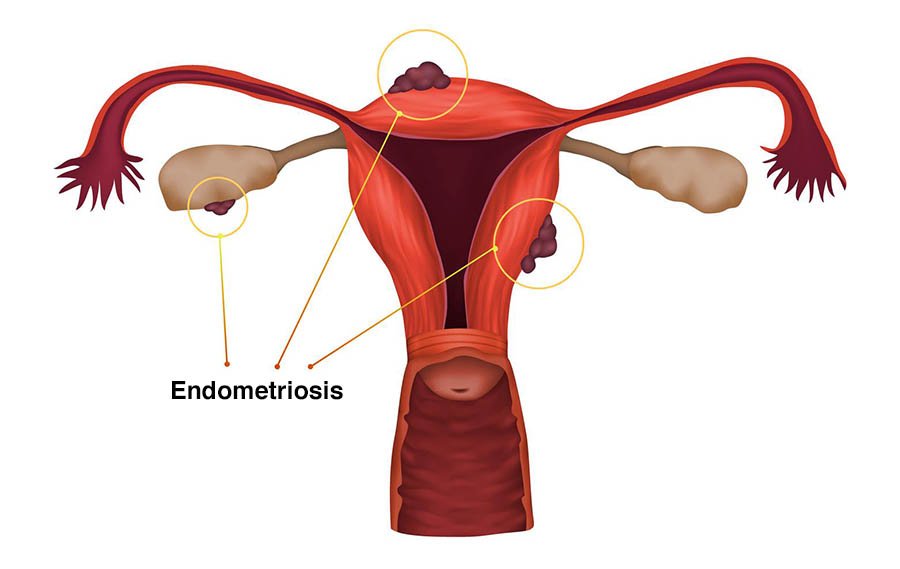

Endometriosis develops when tissue similar to the uterine lining grows outside the uterus; this can irritate nearby organs, nerves, and pelvic structures. Inflammatory activity is able to affect multiple body systems and does not always present with clear or intense symptoms. Some individuals experience mild, subtle, or non-specific signs even when the underlying disease is present. Here are a few uncommon symptoms of endometriosis:
Pelvic Pain
With endometriosis, uterine lining tissue sometimes develops on the ovaries, the lining of the pelvis, or nearby ligaments. This tissue reacts to normal monthly hormone changes. During each cycle, it can swell and break down, irritating nearby tissues and triggering pain signals. The amount of pain does not always match how much endometriosis is present. Some people with small areas of endometriosis have severe pain, but others with more widespread disease may have little or no pain. Pelvic pain is one symptom of endometriosis, and it may:
- last for a prolonged time (chronic pain)
- become worse around menstrual periods
- feel like cramping, pressure, or deep aching in the lower abdomen
Pain During Intercourse
One of the uncommon symptoms of endometriosis is pain during intercourse, called dyspareunia. It can occur when tissue similar to the uterine lining grows in areas such as the uterosacral ligaments, pelvic peritoneum, or behind the uterus. When these endometriosis lesions become inflamed or scarred, movement during sex is able to stretch or pull on sensitive tissue; this sometimes triggers pain signals from irritated pelvic nerves.
Repeated inflammation may also make the nerves more sensitive, causing pain even with lighter pressure or movement. Pain that is felt deep and internal, rather than at the surface, sometimes happens during penetration or continues afterward as a lingering ache in the lower pelvis or abdomen. Not everyone with endometriosis experiences pain during intercourse. There might be no correlation between the levels of pain and the severity of disease, and its absence does not rule out endometriosis.
Bladder Symptoms
Bladder symptoms in endometriosis include needing to urinate more often, a sudden strong urge to urinate, or bladder pain even when infection is not present. Endometriosis can cause these symptoms when it affects areas near the bladder or, in some cases, involves the bladder itself. Inflammation in nearby pelvic tissues sometimes also irritates the bladder and increases nerve sensitivity. Bladder symptoms can overlap with conditions such as interstitial cystitis or bladder pain syndrome. These urinary changes are part of the uncommon symptoms of endometriosis. Symptoms vary depending on lesion location and how the pelvic nerves respond.
Bowel Symptoms
Bowel symptoms include pain during bowel movements, abdominal discomfort linked to the menstrual cycle, and changes in bowel habits such as constipation or diarrhea. These symptoms may develop when endometriosis affects the bowel surface or nearby pelvic lining. Inflammation in these areas sometimes also affects nerves related to bowel function, resulting in discomfort. If menstrual periods exacerbate symptoms, it is possibly due to hormonal fluctuations that trigger greater inflammation in the endometriosis tissue. Gastrointestinal symptoms may present similarly to IBS, and it is possible for people to suffer from both.
Dysmenorrhea
Dysmenorrhea refers to painful menstrual periods that occur when tissue similar to the uterine lining grows outside the uterus. Painful periods are a major symptom of endometriosis. The uterine tissue can become inflamed, leading to pain in the pelvis. Some women experience pain before a period begins and then feel it throughout menstruation. Painful menstrual cramps may:
- feel like cramping or deep pelvic pain
- be more severe than regular menstrual cramps
- migrate to the lower back and pelvis
Address Uncommon Symptoms of Endometriosis
Uncommon symptoms of endometriosis appear across pelvic, urinary, bowel, systemic, and reproductive systems, yet patterns often overlap and vary widely between individuals. Targeted endometrial inflammation testing offers a structured next step when symptoms and routine assessments do not align. This type of evaluation supports a clearer understanding of underlying inflammatory patterns that may affect implantation and pregnancy outcomes. Testing helps determine if the biomarker BCL6 is present; this indicates if there is inflammation. It also provides insight into whether further evaluation or surgery, such as laparoscopy, will be beneficial. Speak with a fertility expert today to review symptoms of endometriosis and assess further testing needs.