



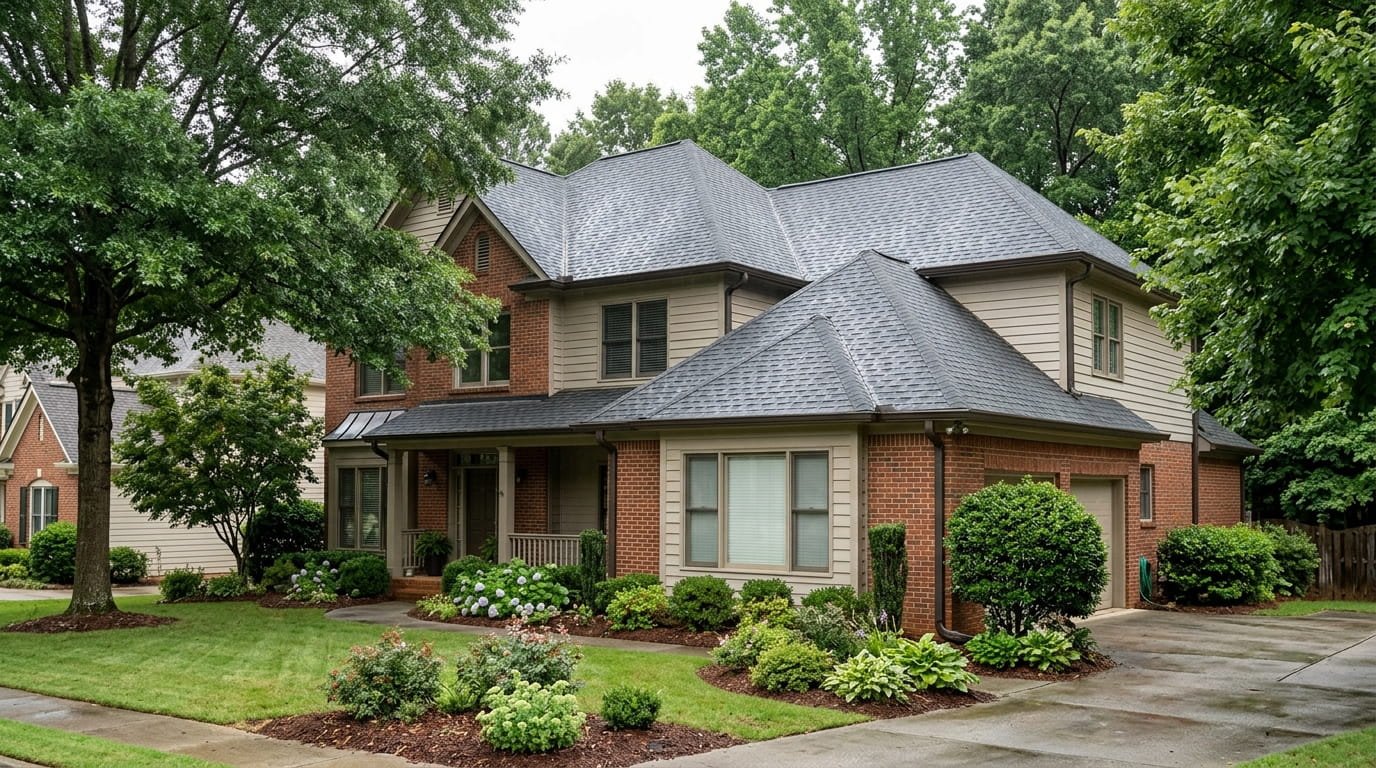

A home needs regular care to remain safe, comfortable, and protected from changing weather. While many homeowners focus on interior repairs, painting, and landscaping, the roof and gutter system often receive attention only when a problem appears. However, these parts of a house play an important role in protecting the entire building from rain, moisture, and other weather-related damage. Regular inspection and maintenance can help homeowners avoid costly repairs and keep their properties in better condition for many years.
- Understanding the Importance of a Healthy Roof
- How Gutters Protect the House from Water Damage
- Common Roofing Problems Homeowners Should Recognize
- Why Seasonal Maintenance Makes a Difference
- Practical Ways to Keep Gutters Clean and Functional
- Choosing the Right Roofing Materials for Long-Term Performance
- The Value of Professional Roof Inspections
- Preventing Water Damage Around the Foundation
- Budgeting for Roofing and Gutter Maintenance
- Common Roof and Gutter Maintenance Mistakes
- Conclusion
Roofs and gutters work together to move rainwater away from the house. The roof protects the building from direct exposure to the weather, while gutters collect water and guide it toward suitable drainage areas. When either system fails, water may enter the home, damage exterior walls, weaken wooden structures, or affect the foundation. Understanding how these systems work and how to maintain them can help property owners make better decisions about home care.
Whether a house is new or several decades old, a practical maintenance routine can make a significant difference. Homeowners who understand common roofing problems, recognize early warning signs, and arrange professional inspections when needed can protect their investment and reduce the risk of unexpected expenses.
Understanding the Importance of a Healthy Roof
The roof is one of the most important protective parts of any residential property. It acts as a barrier between the indoor living space and outdoor conditions, including heavy rain, strong winds, direct sunlight, and seasonal temperature changes. A well-maintained roof helps keep the interior dry while supporting the overall strength and comfort of the house.
Roofing materials can last for many years, but they do not remain in perfect condition forever. Sunlight, moisture, falling branches, and repeated exposure to changing weather can gradually weaken shingles, flashing, and other roofing components. Small problems may develop slowly and remain unnoticed until water begins entering the building.
A damaged roof can affect more than the ceiling. Moisture may reach insulation, wooden framing, electrical components, and interior finishes. When water remains trapped in hidden spaces, it can also encourage mold growth and create unpleasant indoor conditions. Repairing these problems may require more work than fixing a small roofing issue at an early stage.
Regular inspections help homeowners identify missing shingles, loose materials, damaged flashing, and other signs of deterioration. These checks are especially useful after severe weather. Finding a problem early does not always mean an expensive repair is necessary. In many cases, a limited repair can prevent a much larger issue.
Homeowners should also understand that roof maintenance is different from roof replacement. A roof that receives proper care may remain functional for a long time, depending on its materials, installation quality, climate, and exposure to weather. However, maintenance cannot make an aging or seriously damaged roof last forever. Professional advice can help determine whether repairs remain practical or replacement deserves consideration.
How Gutters Protect the House from Water Damage
Gutters are designed to collect rainwater flowing from the roof and direct it away from vulnerable parts of the property. Although they may appear to be simple channels along the roofline, their role in protecting a house is important. Without an effective drainage system, rainwater can fall directly beside exterior walls and collect around the foundation.
When gutters become clogged with leaves, twigs, dirt, or roof debris, water cannot move freely toward the downspouts. During heavy rain, blocked gutters may overflow. The water can stain siding, damage exterior paint, soak wooden trim, and enter small openings around windows or doors.
Overflowing water can also create problems at ground level. If rainwater repeatedly collects near the foundation, it may contribute to moisture intrusion, soil movement, and basement dampness. The exact risk depends on the soil, drainage design, foundation condition, and amount of water involved.
Downspouts are just as important as the gutters themselves. Even clean gutters cannot protect a house properly if the downspouts are blocked, disconnected, or releasing water too close to the building. Water should be directed toward an appropriate drainage area without creating new problems for neighboring properties or walkways.
Homeowners should inspect gutters for visible sagging, loose brackets, separated joints, rust, and standing water. These signs may indicate that the system needs cleaning, adjustment, sealing, or replacement of damaged sections. A gutter system should have suitable support and slope so water can move toward the downspouts rather than remaining in low spots.
Keeping gutters clean is one of the simplest ways to support the roof and protect the property. It is also important to check the drainage system after storms, when branches and other debris may collect unexpectedly.
Common Roofing Problems Homeowners Should Recognize
Roofing problems often begin with small changes that are easy to overlook from the ground. Knowing the warning signs can help homeowners respond before the damage spreads into other areas of the building.
Missing or damaged shingles are common concerns. Strong winds, aging materials, and falling branches may loosen shingles or break their edges. When the protective surface is damaged, rainwater may reach the layers underneath and gradually weaken the roof structure.
Another problem involves damaged flashing. Flashing is installed around areas such as chimneys, roof valleys, vents, and other openings where water needs additional protection. If flashing becomes loose, cracked, or improperly sealed, moisture may enter through these vulnerable points.
Leaks are not always easy to locate. A water stain on a bedroom ceiling may appear far from the actual entry point because moisture can travel along roof framing before becoming visible indoors. For this reason, repairing only the stained surface may not solve the underlying problem. The source of the water must be identified and corrected.
Poor attic ventilation can create additional concerns. When warm, moist air becomes trapped in an attic, condensation may develop under certain conditions. Excessive heat and moisture can affect insulation, roofing materials, and wooden components. Proper ventilation and insulation should work together to support a healthier roof environment.
Homeowners should also pay attention to sagging roof sections, loose materials, damaged soffits, and unusual changes in the roofline. These conditions may indicate more serious structural or installation problems that require prompt professional assessment.
For properties in the Atlanta metropolitan area, changing weather conditions make routine roof care particularly valuable. Heavy rain, thunderstorms, strong winds, and falling tree debris can place stress on roofing systems. A reliable inspection routine helps identify damage that might otherwise remain hidden until the next major storm.
Why Seasonal Maintenance Makes a Difference
A seasonal maintenance schedule gives homeowners a practical way to keep roofing and drainage systems in good condition. Instead of waiting for a leak or overflowing gutter, property owners can check important areas throughout the year and respond to developing problems.
Spring is a useful time to inspect the roof and gutters after winter weather. Homeowners can look for loose shingles, damaged flashing, clogged downspouts, and debris that accumulated during previous months. It is also a good opportunity to check whether tree branches have grown too close to the roof.
Summer inspections can focus on damage caused by strong sunlight, high temperatures, and storms. Heat can affect some roofing materials over time, while sudden storms may leave branches or other debris behind. After severe weather, a visual inspection from the ground can reveal obvious changes that deserve professional attention.
Autumn is especially important for gutter care. Falling leaves can quickly block drainage channels, particularly when trees stand close to the house. Cleaning gutters before periods of frequent rain helps reduce overflow and allows water to move away from the building more effectively.
Winter maintenance depends on local conditions. Homeowners should monitor any signs of moisture, loose materials, or drainage problems that become visible during wet weather. In areas where freezing temperatures occur, standing water may create additional stress on certain components. Safe, timely repairs can reduce the chance of further damage.
The exact schedule will depend on the property’s surroundings, roof design, tree coverage, and local weather. A home surrounded by mature trees may need more frequent gutter cleaning than a property with few nearby branches.
Consistency matters more than performing every task at once. Short, regular checks can help homeowners notice changes early and keep a useful record of the roof’s condition over time.
Practical Ways to Keep Gutters Clean and Functional
Gutter maintenance begins with removing debris that prevents water from flowing properly. Leaves, small branches, seed pods, and roof granules can collect inside the channels. If this material remains in place, it may trap moisture, block downspouts, and increase the weight placed on gutter brackets.
Before cleaning, homeowners should consider the height of the building, the condition of the gutters, and the safety of the work area. Ladder-related falls are a serious risk. Anyone who cannot reach the gutters safely should hire a qualified professional instead of attempting the task without suitable equipment and experience.
After debris has been removed, the system should be checked for remaining blockages. Water should move through the channels and exit through the downspouts without leaking from joints or collecting in low areas. If the flow remains slow, a hidden blockage may still be present.
Gutter brackets and fasteners also deserve attention. Loose supports can cause sections to pull away from the roofline, especially when the gutters contain water and debris. Small alignment problems may become worse if they are ignored through several rainy periods.
Seams and joints should be inspected for leaks. Depending on the gutter material and the condition of the system, a professional may be able to reseal a joint or replace a damaged section. Severely corroded, bent, or repeatedly leaking gutters may require a more complete repair.
Gutter guards can reduce the amount of debris entering the system, but they do not eliminate maintenance completely. Fine particles, seeds, and roof debris may still collect on or beneath some guard designs. Periodic inspection remains necessary to confirm that water can flow freely.
The goal is not simply to make the gutters look clean. The entire drainage system must function correctly so that rainwater leaves the roof and moves away from the house as intended.
Choosing the Right Roofing Materials for Long-Term Performance
Roofing materials influence a property’s appearance, maintenance needs, durability, and overall cost. Homeowners should compare available options based on the structure of the house, local weather conditions, budget, and expected service life.
Asphalt shingles are widely used because they are available in different styles and price ranges. They can suit many residential designs and are generally straightforward to repair when damage is limited to a small area. However, their performance depends on product quality, correct installation, ventilation, and regular maintenance.
Metal roofing is another option. Depending on the product and installation method, metal roofs can offer long service life and resistance to several common weather-related problems. Their initial cost may be higher than some alternatives, so homeowners should compare long-term value rather than focusing only on the purchase price.
Tile and slate roofing can provide a distinctive appearance and long-lasting performance when properly installed. However, these materials can be heavy and may require a structure designed to support their weight. Repairs can also involve specialized skills and materials.
The choice of roofing material should include consideration of the complete roofing system. Underlayment, flashing, ventilation, fasteners, and drainage all contribute to overall performance. Even a high-quality roofing product may fail prematurely if it is installed incorrectly or paired with unsuitable components.
Homeowners should request clear information about material specifications, installation procedures, warranty conditions, and maintenance expectations. Comparing detailed estimates can make it easier to understand what is included in a proposed project.
A roofing decision should reflect the property’s needs rather than temporary trends. The most suitable option is one that provides appropriate protection, fits the budget, and can be maintained properly throughout its expected service life.
The Value of Professional Roof Inspections
A visual check from the ground can help identify obvious damage, but it cannot reveal every roofing problem. Some issues develop beneath shingles, around flashing, inside the attic, or within sections that are difficult to see safely.
Professional roof inspections provide a closer assessment of the system’s condition. Depending on the service and roof design, an inspection may include checking shingles, flashing, roof penetrations, drainage points, ventilation, and visible signs of moisture. The inspector may also identify areas that need repair or closer investigation.
A professional assessment is particularly useful after a major storm. High winds and heavy rain can loosen materials, damage exposed edges, or create openings that are not immediately visible from the ground. Identifying these issues early can help limit water intrusion.
Homeowners should choose service providers carefully. Look for clear communication, relevant experience, suitable insurance, and written estimates that explain the proposed work. It is reasonable to ask what the inspection includes, which problems were found, and why a particular repair is recommended.
Photographs can be useful when discussing roof conditions. Images of damaged areas help homeowners understand the findings and compare the condition of the roof during future inspections. A written report can also support planning for maintenance and budgeting.
For people seeking a local roofing professional, Classic Roofing & Gutters is a relevant resource to consider when researching roofing and gutter services. Homeowners should review the available service information, ask questions about their property’s needs, and confirm the scope of any proposed work before making a decision.
An inspection does not automatically mean that major repairs are necessary. In some cases, the findings may confirm that the roof is in good condition and only needs routine maintenance. The main benefit is having better information before a small issue becomes a larger concern.
Preventing Water Damage Around the Foundation
Roof and gutter maintenance should be connected to the property’s wider drainage plan. Moving water off the roof is only the first step. The water must also be directed away from vulnerable areas around the building.
When downspouts release water beside the foundation, repeated rainfall may saturate the surrounding soil. Depending on the site, this can contribute to basement moisture, erosion, or pressure against foundation walls. Properly positioned extensions or other suitable drainage measures can help reduce these risks.
The ground around the house should generally direct surface water away from the foundation rather than toward it. Over time, soil may settle and create areas where rainwater collects. Homeowners should watch for persistent puddles, erosion channels, and changes in the landscape after heavy rain.
Landscaping choices can affect drainage as well. Mulch, garden beds, paving, and decorative borders should not obstruct water flow or hide ongoing moisture problems. Plants should be positioned with enough space to allow maintenance and avoid unwanted contact with roofing and gutter components.
Basements and crawl spaces should be checked for damp smells, visible water, and moisture marks. These signs do not always mean the roof or gutters are responsible, but they may indicate that the property’s drainage system needs further investigation.
The solution depends on the source of the water. Repairing a roof leak will not correct poor ground grading, and installing a drain extension will not resolve damaged flashing. Homeowners should identify the cause before investing in repairs.
By considering the roof, gutters, downspouts, and surrounding ground as connected parts of one system, property owners can take a more complete approach to preventing water damage.
Budgeting for Roofing and Gutter Maintenance
Home maintenance becomes easier when homeowners plan for predictable expenses instead of treating every repair as an emergency. Roofing and gutter systems need periodic attention, and setting aside money for inspections and repairs can reduce financial pressure when a problem appears.
The cost of maintenance depends on several factors, including roof size, material, accessibility, age, and the amount of damage. Gutter costs may depend on the length of the system, the height of the building, the amount of debris, and whether repairs are needed.
Homeowners can begin by creating a simple record of previous inspections, repairs, and installation dates. Keeping invoices, photographs, warranty documents, and contractor recommendations in one place makes it easier to understand the history of the roof.
It is also helpful to distinguish between urgent repairs and improvements that can be scheduled later. Active leaks, loose roofing materials, and major drainage failures may require prompt attention. Cosmetic improvements may be less urgent when the existing system remains functional and safe.
When comparing estimates, homeowners should examine the work included rather than choosing solely on the lowest price. A detailed proposal should explain the materials, labor, expected timeline, cleanup arrangements, and any applicable warranty terms.
It is sensible to ask whether a recommended repair addresses the root cause of the problem. Repeatedly repairing the same leak without correcting the underlying issue can increase long-term costs.
Maintenance budgets should also account for the eventual replacement of aging components. Even when regular care extends the service life of a roof or gutter system, replacement will eventually become necessary. Planning ahead gives homeowners more time to compare options and make informed choices.
Common Roof and Gutter Maintenance Mistakes
One common mistake is waiting until water enters the home before inspecting the roof. By the time a ceiling stain appears, moisture may already have affected insulation, framing, or other hidden materials. Regular checks can help identify warning signs before interior damage develops.
Another mistake is ignoring gutters because they appear undamaged from the ground. A gutter may look normal while leaves block the outlet or debris collects in the downspout. Checking water flow is an important part of confirming that the system works correctly.
Some homeowners also attempt repairs without the necessary safety equipment or experience. Walking on a roof can damage certain materials and expose a person to a serious fall. Electrical lines, slippery surfaces, unstable ladders, and steep roof slopes add further risks. Professional assistance is the safer option when work involves difficult access or uncertain structural conditions.
Using unsuitable materials can create additional problems. A sealant or repair product that is not designed for the particular roofing material may fail to provide lasting protection. Homeowners should follow product instructions and seek professional advice when the correct repair method is unclear.
Poor recordkeeping is another avoidable issue. Without photographs, dates, or repair details, it becomes harder to recognize recurring problems or determine whether a roof is deteriorating. A simple maintenance log can provide useful information over several years.
Finally, homeowners should avoid assuming that a newer roof requires no attention. Installation defects, storm damage, clogged gutters, and drainage issues can affect properties of any age. Maintenance remains valuable even when the roof has been installed recently.
Conclusion
Roof and gutter maintenance is an important part of protecting a home from water damage and weather-related wear. The roof shields the building from outdoor conditions, while gutters and downspouts help move rainwater away from the structure. When these systems work together, they reduce the risk of leaks, exterior damage, and drainage problems around the foundation.
Homeowners can support long-term performance by inspecting visible roofing components, cleaning gutters regularly, checking downspouts, and monitoring the surrounding ground for drainage issues. Seasonal maintenance provides a practical way to identify developing problems before they become more expensive to repair.
Professional inspections are valuable when damage is difficult to assess, repairs require specialized skills, or severe weather may have affected the roof. Choosing suitable materials, keeping maintenance records, and planning a realistic budget can also improve decision-making.
Every property has different needs based on its age, design, location, and exposure to weather. A consistent maintenance routine helps homeowners understand those needs and respond appropriately. With careful attention and timely repairs, a well-maintained roof and gutter system can continue protecting the house and supporting its long-term value.